
Field Notes · March 30, 2026 · 5 min · By Ximena Calloway
Cosmetic camouflage for white patches
While treatment works slowly, makeup and self-tanners can help today.
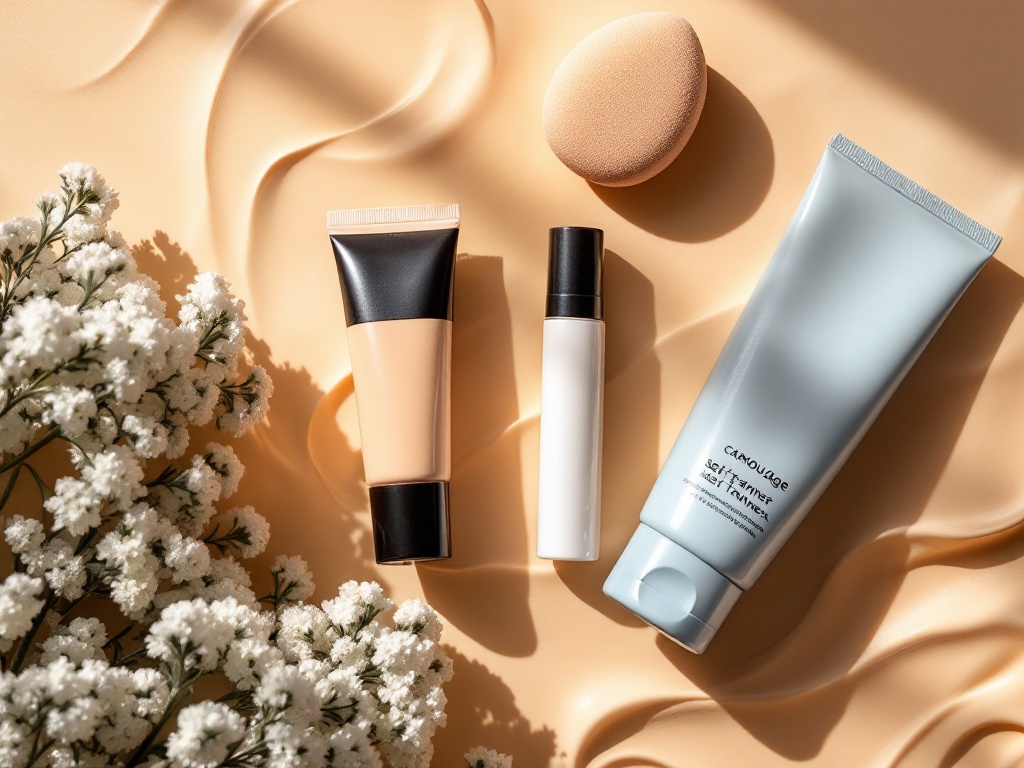
Repigmenting lost color takes months, which leaves a real day-to-day question for people with visible white patches: what can help now? Cosmetic camouflage is an underappreciated answer that can dramatically improve confidence while medical treatment, from phototherapy to newer topicals, does its slow work.
Several options exist. Specialized camouflage makeup, formulated to be opaque, long-wearing, and water-resistant, can blend patches into the surrounding skin convincingly and is available in shades for all skin tones. Self-tanners (dihydroxyacetone-based) can tint white patches closer to the surrounding color and last several days, a practical choice for areas like the hands. For some, medical tattooing to deposit matching pigment is an option in stable cases.
None of these treats the underlying cause, but that is not their job, they are tools for living comfortably while treatment progresses, or for patches that have not responded. There is no vanity in using them; for a condition that is visible and emotionally weighty, looking the way you want on a given day is a legitimate goal. A dermatologist or a camouflage specialist can match products to your skin and teach application. Pairing camouflage with medical treatment addresses both the immediate appearance and the long-term color.
Related reading: Those little white spots on your arms and legs.